
7 Minutes Read
Beyond the Obvious:
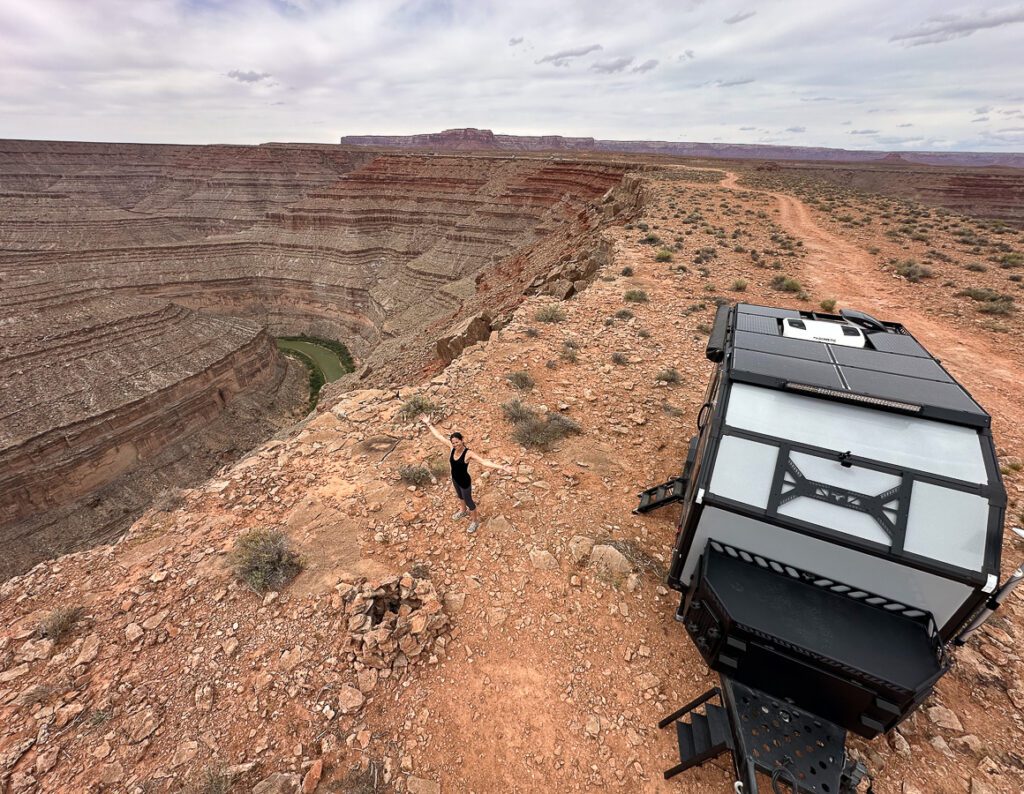
DESTINATION GUIDE
Beyond the Obvious:
Hidden Gems of the Western Mountains
The West is bigger than the places everyone already knows. Here are the ones worth finding.
The famous places are famous for a reason. But the overlander who only goes where the guidebooks point is missing the better half of the West — the quiet half, the empty half, the half that rewards the person willing to go a little further down the road less traveled.
What follows isn’t a list of secret locations — good country deserves visitors, and we’re not in the business of keeping it to ourselves. These are simply places that tend to fly under the radar of the conventional camping crowd, destinations that reveal themselves fully only to those who arrive with the right vehicle, the right setup, and the right amount of time. Each one is well within reach of an Imperial trailer and a capable tow vehicle. None of them require reservations made six months in advance.
Consider this a starting point. The real discovery happens when you get there.
SOUTHWEST COLORADO
The Dolores River Canyon
Colorado — Mesa Verde Country
7,000+FEET ELEVATION
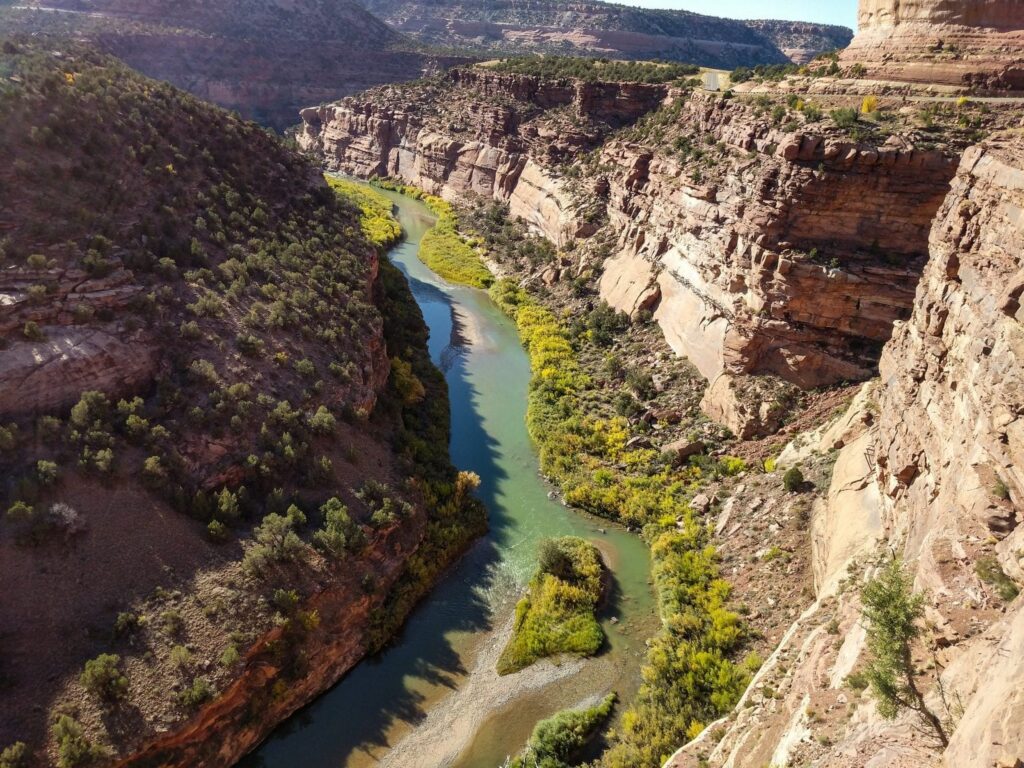
While most travelers in southwest Colorado are pointed toward Mesa Verde or Telluride, the Dolores River corridor runs quietly through some of the most spectacular canyon country in the state — and sees a fraction of the traffic. The river carved a deep, sinuous gorge through sandstone and volcanic rock over millions of years, and the result is a landscape that feels genuinely ancient in a way few places still do.
The forest roads above the canyon rim offer extended overlanding routes with views that would stop you in your tracks on a highway at fifty miles per hour. Down closer to the river, cottonwood groves along the water provide shade and solitude in equal measure. Spring brings wildflowers across the canyon walls. Fall turns the cottonwoods a gold that rivals anything in New England.
The nearest significant town is Dolores — small, unhurried, and worth a morning. The canyon itself is best explored over two or three days minimum. Plan for at least one evening watching the light change on the canyon walls. Bring patience and a good topographic map.
BEST SEASON
Spring & Fall
ROAD CONDITION
Maintained dirt, some technical sections
CROWDS
Light to none
CENTRAL NEVADA
The Monitor Valley
Nevada — Great Basin
200+MILES OF SOLITUDE
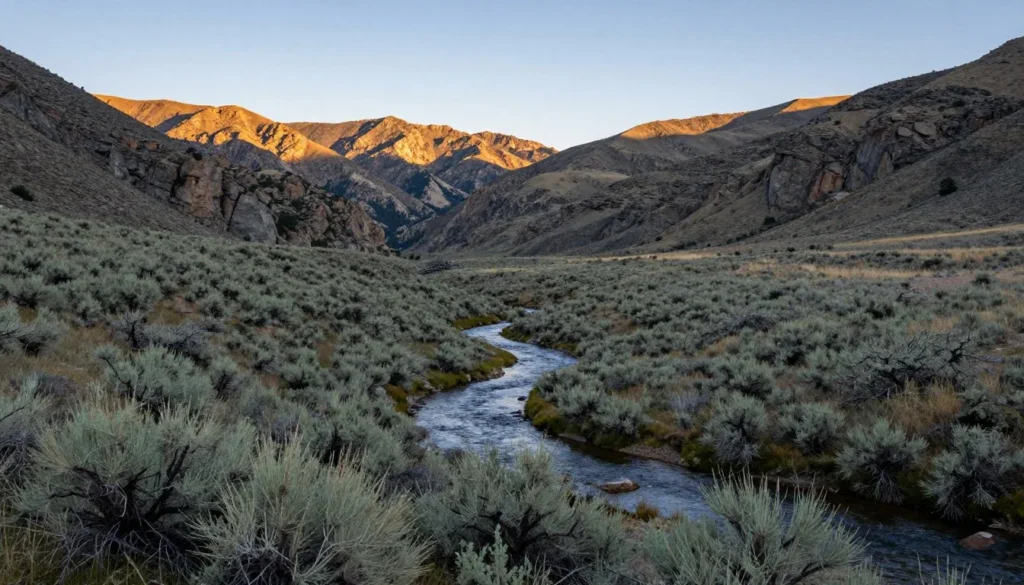
Nevada is the most underrated overlanding state in the American West. Most people drive through it on I-80 or US-50, see the Basin and Range landscape flash by at highway speed, and file it away as empty. The overlanders who stop — who turn onto the unpaved roads that head north into the valleys between the ranges — discover something else entirely.
Monitor Valley sits in the heart of central Nevada, flanked by the Toiyabe and Monitor ranges, accessible by well-maintained gravel roads and almost entirely devoid of other visitors. The valley floor stretches wide and quiet, with a creek running through stands of cottonwood and willow that feel improbable in all that open country. Above the valley, the Toiyabe Range holds alpine lakes and high passes that most Nevada travelers never know exist.
The Great Basin’s famous big sky reaches its full expression here — the kind of darkness at night that makes city dwellers genuinely startled by how many stars there actually are. A week in Monitor Valley goes by faster than it should. Plan accordingly.
BEST SEASON
Late Spring through Fall
ROAD CONDITION
Gravel, generally accessible
CROWDS
Exceptionally light
“We drove four hours without seeing another vehicle. By the second day we’d stopped checking the time. By the third, we’d stopped looking at our phones altogether.”
NORTHWEST WYOMING
The Beartooth Foothills
Wyoming — Absaroka-Beartooth Country
11,000+FEET AT THE PASS
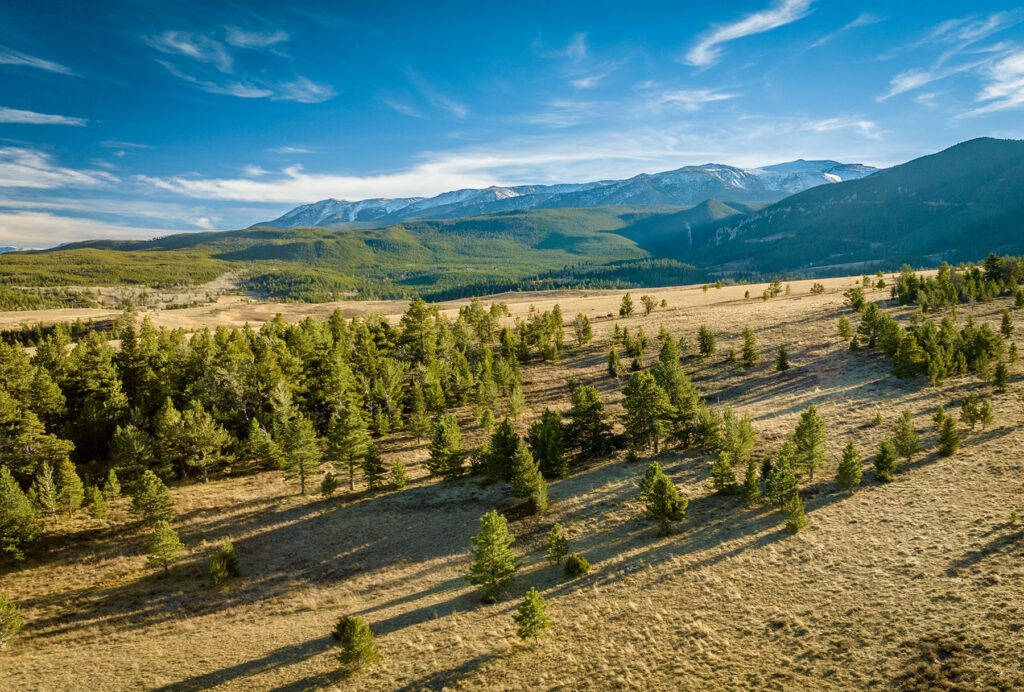
The Beartooth Highway gets its share of attention — and deserves it. But the terrain on either side of that famous road, accessible by forest routes that drop off the main corridor into the drainages below, is where the real country begins. The Absaroka-Beartooth Wilderness boundary runs along much of this zone, meaning motorized access ends at a certain point and everything beyond belongs to those willing to go on foot. Your camp, positioned at the edge of that boundary, becomes the best possible basecamp for day hikes into one of the most remote wilderness areas in the lower 48.
The foothills themselves offer overlanding terrain that alternates between high open meadows, dense lodgepole forest, and rocky creek crossings that will test your clearance and reward your patience. Wildlife here is prolific — grizzly bear country in earnest, which adds a particular alertness to a morning walk that you don’t get many other places in the continental United States.
The Clark’s Fork of the Yellowstone runs through the lower elevations and offers blue-ribbon trout fishing to go alongside the hiking and exploring. This is three-season country — summer, fall, and for the well-prepared, early winter. It doesn’t give itself up easily, and that’s precisely the point.
BEST SEASON
July through October
ROAD CONDITION
Technical in sections, high clearance required
CROWDS
Moderate near highway, light beyond
EASTERN OREGON
The Owyhee Canyonlands
Oregon — High Desert
1M+ACRES OF BLM LAND

Oregon’s reputation lives on the coast and the Cascades. But the eastern third of the state — high desert, volcanic rimrock, river canyons cut deep into the plateau — is a different world entirely, and one that most visitors to the Pacific Northwest never see. The Owyhee Canyonlands, spanning the corner where Oregon meets Idaho and Nevada, is the largest and wildest piece of that world.
The Owyhee River carved a canyon system here that in places rivals the Grand Canyon in drama, without the crowds, the entrance fees, or the guardrails. BLM roads wind through the rimrock country above, and with over a million acres of public land to work with, the question is never whether you can find a place to camp — it’s which one to choose. Hot springs, petroglyphs, golden eagles riding the thermals above the canyon rims — the Owyhee delivers constantly and quietly.
Spring is the prime season: the desert blooms, the river runs full, and the temperatures are mild. Summer concentrates heat into the canyon bottoms. Fall brings a stillness and a quality of light that photographers pursue specifically. Winter closes some of the higher routes but opens others to a solitude that borders on otherworldly.
BEST SEASON
Spring & Fall
ROAD CONDITION
Remote dirt roads, self-sufficiency required
CROWDS
Minimal — plan for true solitude
A Few Things Worth Knowing Before You Go
These destinations share a few common traits beyond their beauty and relative obscurity. They are all genuinely remote. Cell service is limited to nonexistent in most of them. The nearest fuel stop may be an hour or more away, and the nearest mechanic considerably further. This is not a reason to stay home — it’s a reason to go prepared.
BEFORE ANY REMOTE TRIP
Download offline maps for your destination area before you lose cell service — apps like Gaia GPS or OnX Offroad allow full offline use with topographic detail. File a trip plan with someone at home: where you’re going, which roads you plan to use, and when to expect you back. Carry more fuel, water, and food than you think you’ll need. Remote country rewards preparation and punishes assumptions.
A call to the local BLM field office or ranger district before you depart is always worth the five minutes. They know current road conditions, any closures, recent wildlife activity, and the spots within their area that tend to be most rewarding. Land managers are consistently underutilized as a resource by overlanders, and consistently happy to help when you call.
The West holds more country like this than most people realize — places that haven’t been discovered by the algorithm, that don’t have parking lots and interpretive signage, that ask something of the people who visit them. The asking is part of what makes the arriving worthwhile.
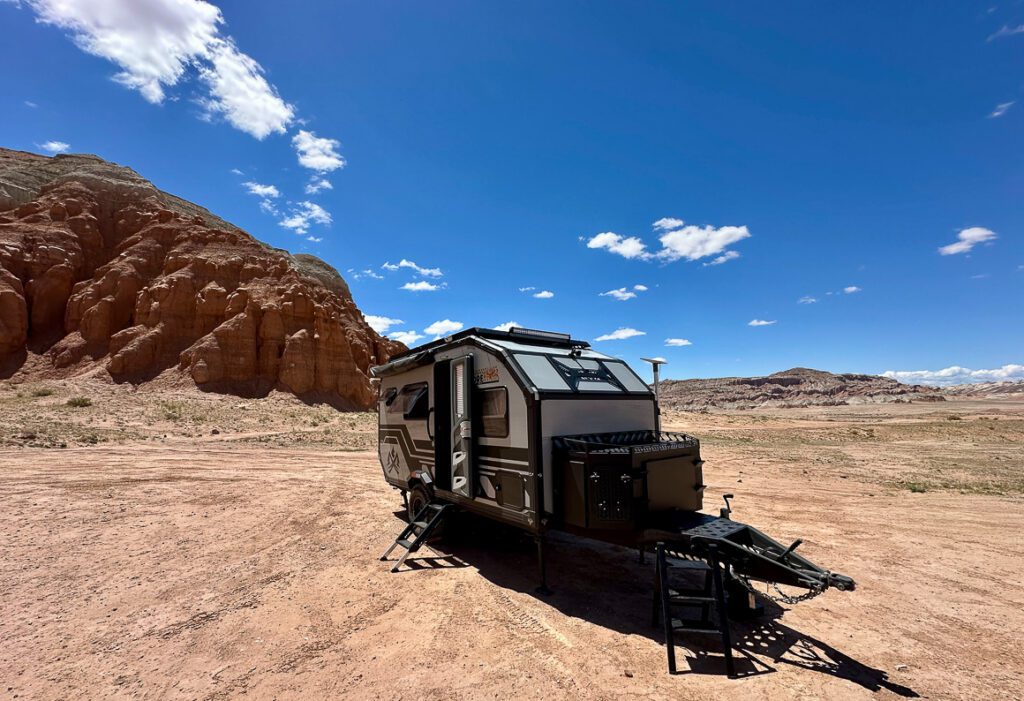
The right rig opens the right country.
The places on this list aren’t accessible in everything. They reward ground clearance, off-road capability, and the self-sufficiency that comes from a basecamp that doesn’t need a hookup to function. That’s exactly what Imperial Outdoors trailers are built for. Find your nearest dealer and start planning.